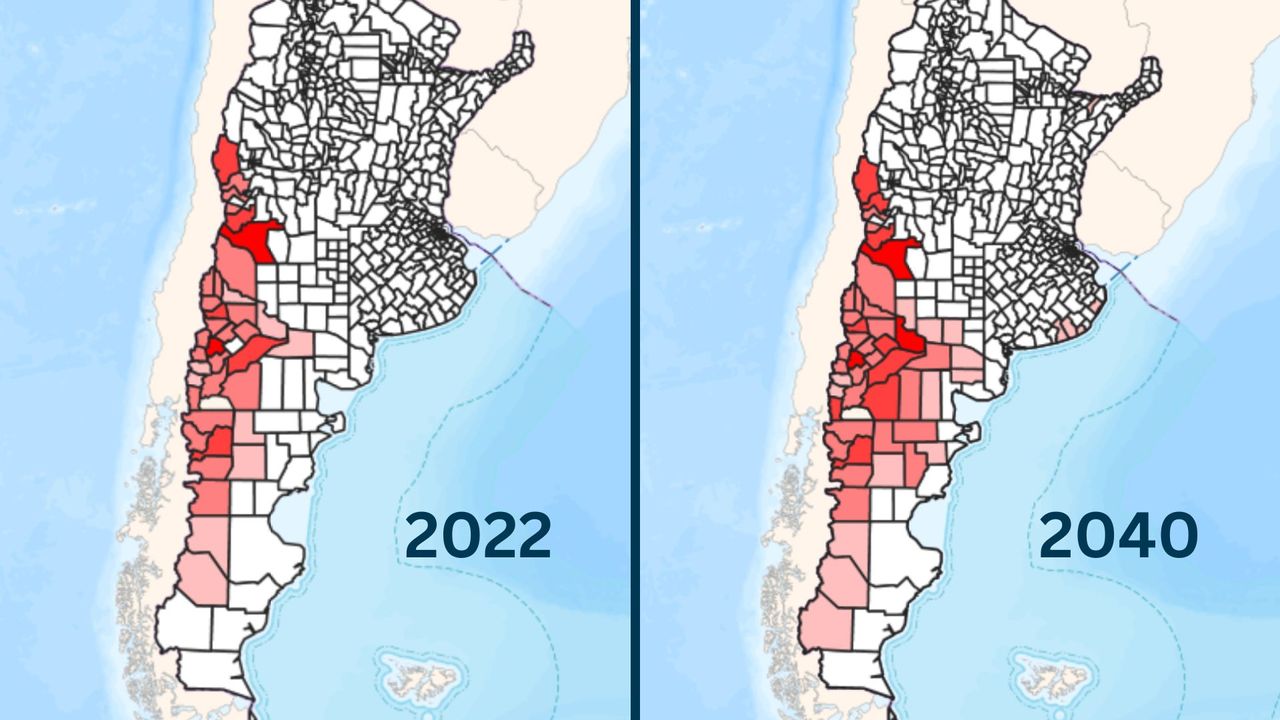
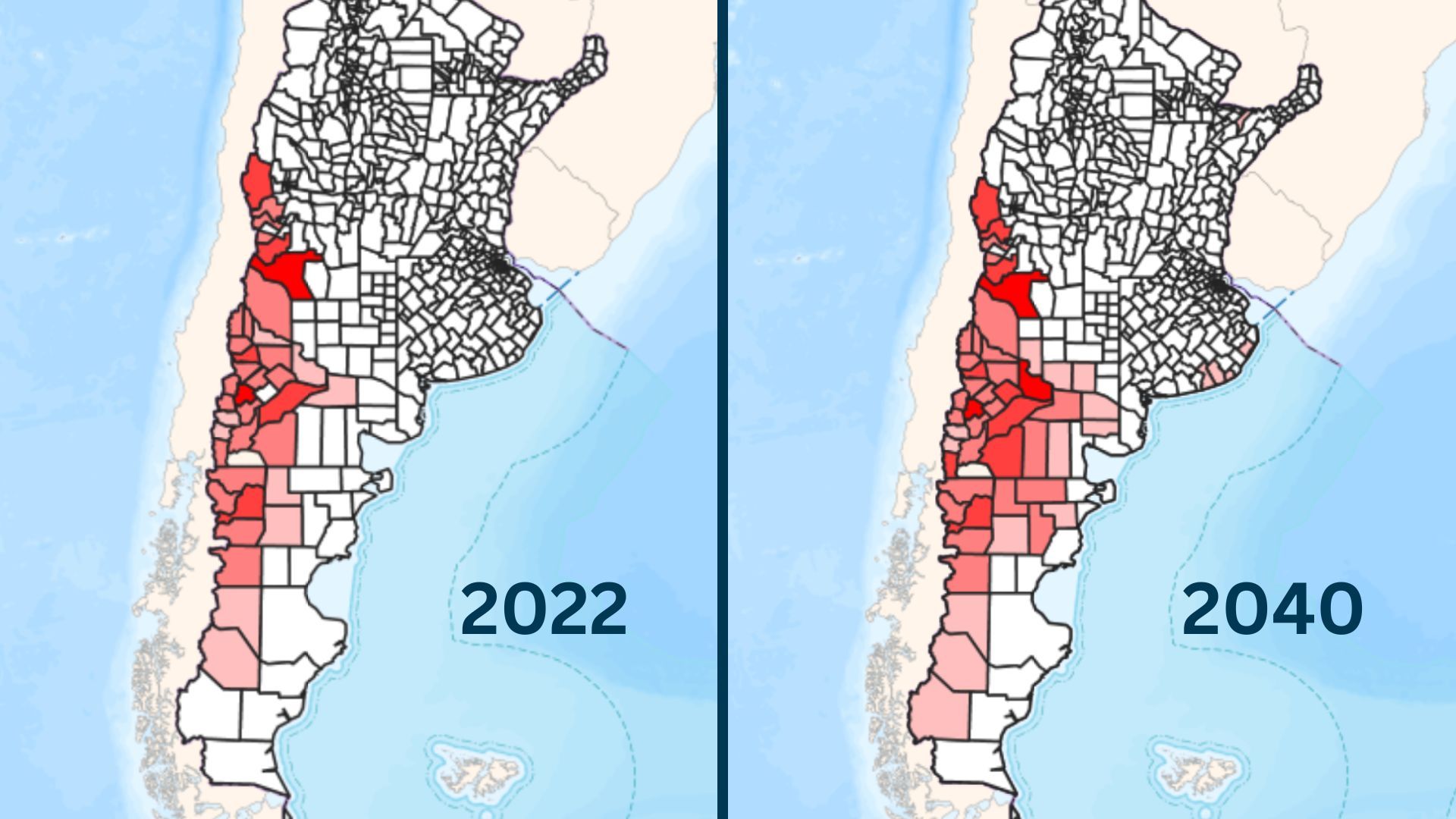
New predictive models reveal that hantavirus-carrying rodents are expanding their range across Argentina, driven by climate change-induced shifts in weather patterns. The findings, published today, suggest a heightened risk of hantavirus outbreaks in regions previously considered low-risk.
"Our models show a clear northward and upward movement of rodent populations, bringing the virus into contact with new human communities," said Dr. Maria Gonzalez, lead researcher at the National Institute of Infectious Diseases in Buenos Aires. "This is a wake-up call for public health authorities."
Background
Hantavirus is a potentially fatal zoonotic disease transmitted through rodent droppings, urine, and saliva. Inhaling aerosolized particles can lead to hantavirus pulmonary syndrome, which has a mortality rate of up to 50% in some outbreaks.
The long-tailed pygmy rice rat (Oligoryzomys longicaudatus) is the primary carrier in Argentina. Previous outbreaks in the 1990s and 2000s were linked to specific ecological conditions, but the new research indicates a broader shift.
What This Means
The expansion of rodent habitats into areas like Patagonia and the outskirts of Buenos Aires could expose millions more people to the virus. "We need to strengthen surveillance and public education in these expanding zones," emphasized Dr. Gonzalez.
Immediate steps include better rodent control programs and early warning systems. The model also highlights the need for cross-border cooperation, as similar patterns may emerge in neighboring countries.
Key Findings from the Model
- Rodent suitable habitat is projected to increase by 15% by 2050 under a moderate climate scenario.
- High-risk zones now include areas in Mendoza, Neuquén, and Chubut provinces.
- Seasonal shifts—like wetter summers—are enabling faster rodent reproduction.
The researchers urge immediate action from health ministries to update prevention strategies and allocate resources to new high-risk areas.
"This isn't a distant threat, it's happening now," concluded Dr. Gonzalez. "Every year of delay could mean more lives at risk."