Setv.putty PDocsScience & Space
Related
Revolutionary Memory Chip Defies Laws of Miniaturization to Eliminate Overheating57 Nations Outline a Fossil Fuel-Free Future at Landmark Colombia SummitRare 'Blue Moon' to Follow May's Flower Moon—Stargazers Prepare7 Essential Insights into Agentic AI for Robot TeamsSamsung’s July Event to Debut Galaxy Glasses, Galaxy Watch 9 Alongside Fold 8IEEE Honors Ana Inês Inácio with Prestigious Young Professional Award for RF Sensor InnovationUnlocking Dark Energy: How AI and the Rubin Observatory Revolutionize Supernova CosmologyHow to Align Climate Data with Biological Studies: A Biologist's Guide to Scale-Matching

Flight Research at NASA Armstrong: 10 Key Developments and Capabilities

Last updated: 2026-05-08 02:57:05 · Science & Space
Flight Research at NASA Armstrong: 10 Key Developments and Capabilities
Source: www.nasa.gov

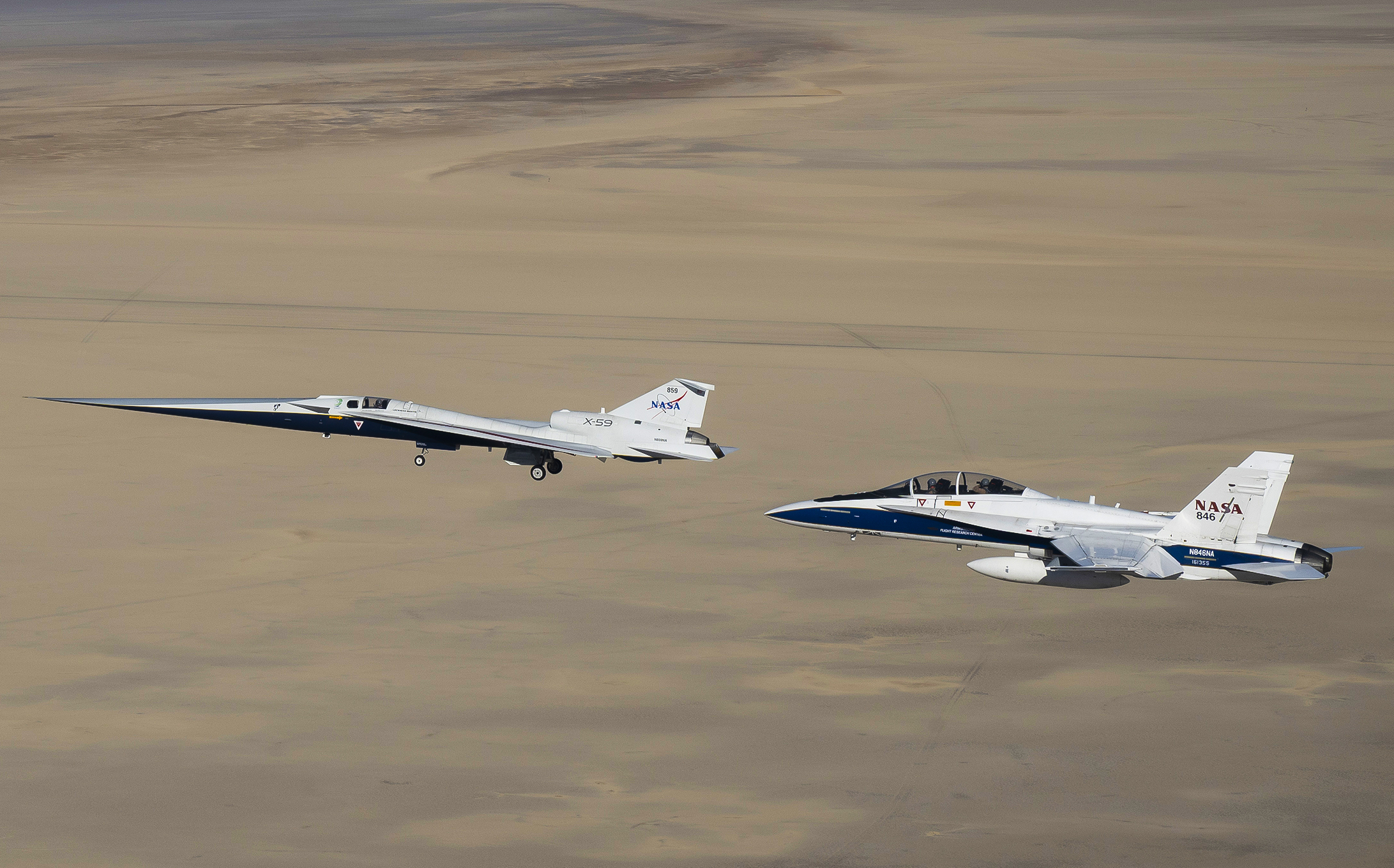
Welcome to the heart of experimental aviation: NASA’s Armstrong Flight Research Center in California’s Mojave Desert. For nearly eight decades, this facility has been at the forefront of aerospace innovation, carrying forward the legacy of pioneers like Neil Armstrong. Today, Armstrong is expanding its fleet with new aircraft—from supersonic jets to versatile turboprops—while continuing to support critical airborne science and aeronautics test missions. The center’s unique blend of skilled personnel, state-of-the-art infrastructure, and a storied past makes it a vital hub for global research. Dive into these 10 essential facts to understand how Armstrong is shaping the future of flight.

Flight Research at NASA Armstrong: 10 Key Developments and Capabilities
Source: www.nasa.gov